Avoid Student Visa Mistakes for Australia Study
Student Visa, Australian Study Plans, Visa Application Issues
Student Visa Mistakes That Can Derail Your Australian Study Plans
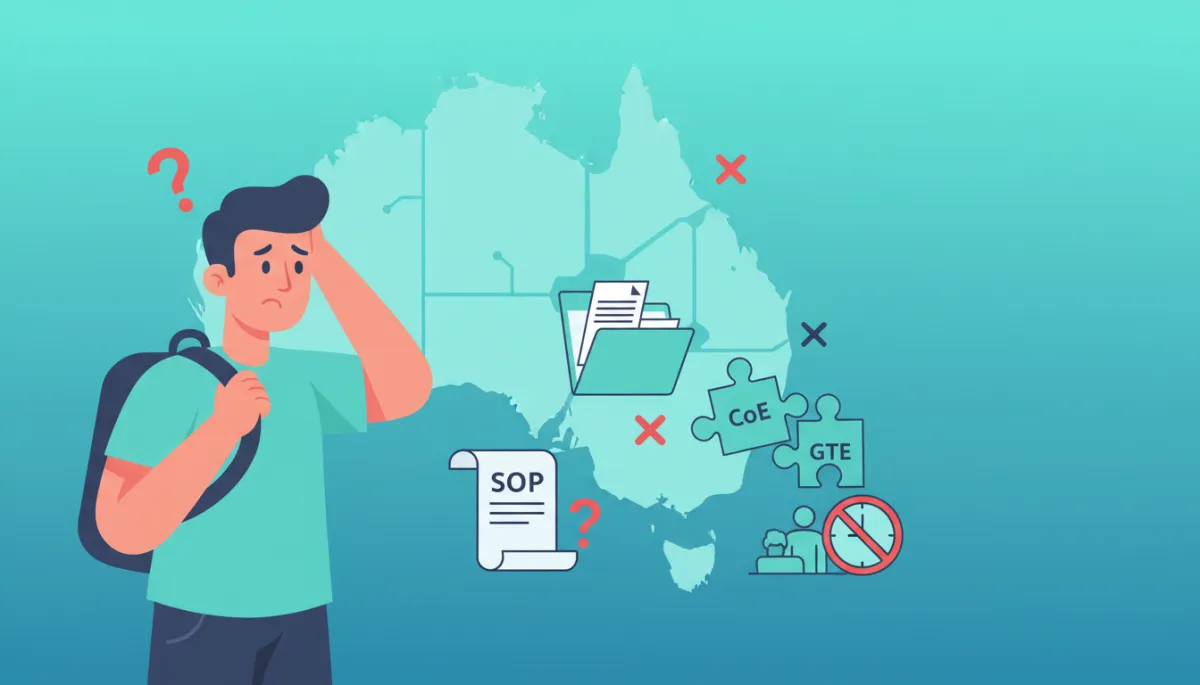
Planning to study in Australia is exciting, but even strong applicants can see their Australian study plans collapse because of avoidable student visa mistakes. From generic SOPs and incomplete documentation to CoE misunderstanding, GTE requirements and visa work limits, small errors can raise doubts about your intentions and eligibility. This guide explains the most common visa application issues and how to avoid them so you can focus on your education rather than damage control.
Why Small Visa Application Issues Have Big Consequences
The Australian student visa framework is designed to welcome genuine students while filtering out applicants whose primary intention is not study. Case officers assess your application as a whole, looking at consistency between your course choice, background, finances, Statement of Purpose (SOP), Confirmation of Enrolment (CoE) and Genuine Temporary Entrant (GTE) statement. When details do not align, or when documents are missing or generic, your case can quickly look weak, even if you are academically qualified.
Many refusals stem not from fraud, but from avoidable oversights: copying generic SOPs from the internet, misunderstanding what a CoE or GTE actually demonstrates, or treating visa work limits as flexible guidelines rather than legal conditions. Understanding these pitfalls in advance is the most effective way to protect your Australian study plans and present yourself as a well-prepared, compliant applicant.
Mistake 1: Submitting Generic SOPs That Fail to Convince
One of the most common and damaging student visa mistakes is relying on generic SOPs. A Statement of Purpose that looks copied, formulaic or vague gives the impression that you have not thought seriously about your course or long-term plans. Case officers read thousands of SOPs; they can recognise templates and repeated phrases instantly. When that happens, your credibility as a genuine student is undermined.
Overused phrases: Statements such as “Australia has world-class education” or “I have always been passionate about business” without specific examples sound empty and generic.
Copy–paste content: Reusing someone else’s SOP or heavily relying on online samples can be interpreted as dishonesty or a lack of genuine intention to study.
Poor alignment: If your academic history, work experience and chosen course do not connect logically in your SOP, the case officer may question your motivation.
Instead of submitting generic SOPs, focus on a clear, personal narrative. Explain why you chose this particular course and institution, how it builds on your previous studies or experience, and how it fits into your career plans when you return home. Use concrete details: course units that interest you, skills you need for a specific role, and realistic labour market prospects in your home country. A tailored SOP not only strengthens your GTE position but also shows respect for the visa process.
💡 Professional Tip: Draft your SOP from scratch, then ask a qualified adviser to review it for clarity and consistency rather than writing it for you.
Mistake 2: Incomplete Documentation and Inconsistent Evidence
Another frequent cause of visa application issues is incomplete documentation. Even when the online checklist appears simple, each item carries specific expectations. Missing pages, unclear scans, or documents in the wrong format can delay your application or lead to refusal if the case officer cannot verify essential information in time.
Academic records: Submitting only your most recent transcript, but not earlier qualifications or certificates, can leave gaps in your study history.
Financial evidence: Bank statements without names, dates or sufficient transaction history may not satisfy proof of funds requirements.
English language tests: Uploading an expired test result or failing to include the full score report can raise doubts about your current language ability.
Incomplete documentation is often paired with inconsistencies. For example, your SOP might claim that your parents will sponsor you, yet your financial documents show funds only in your own name with no explanation. Or your CV may list employment that is not supported by reference letters or payslips. These mismatches can be interpreted as carelessness at best, or misrepresentation at worst.
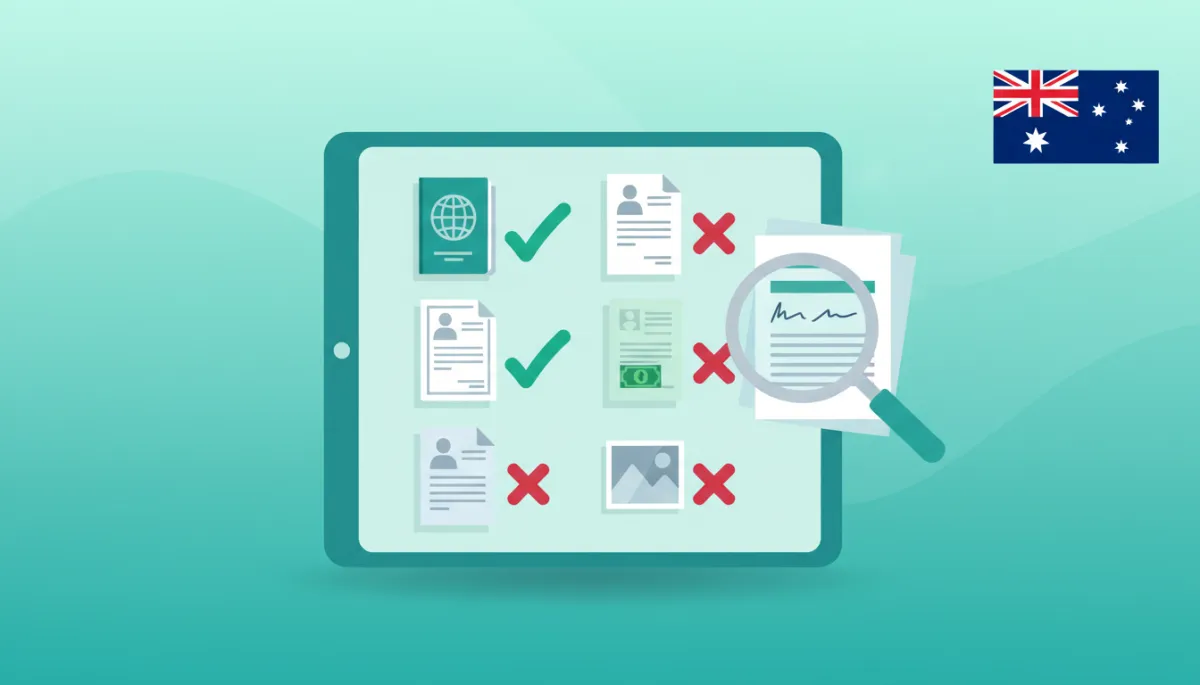
A structured document checklist dramatically reduces the risk of visa delays or refusals.
To avoid these student visa mistakes, create a detailed checklist that goes beyond the minimum online guidance. Confirm whether documents need to be certified, translated or notarised. Ensure that names, dates of birth and other personal details match exactly across your passport, academic records and financial evidence. When in doubt, add a brief written explanation within your application rather than leaving the officer to guess.
📌 Key Takeaway: Visa officers decide based on what is on file, not on what you meant to upload. Clear, complete documentation is non-negotiable.
Mistake 3: CoE Misunderstanding and Weak GTE Explanations
Many applicants underestimate the significance of their Confirmation of Enrolment and misunderstand the Genuine Temporary Entrant requirement. A CoE is more than a simple admission letter; it formally confirms your enrolment details, including course level, duration and start date. CoE misunderstanding can lead to incorrect visa timing, inappropriate course choices or confusion about your obligations as a student visa holder.
If your CoE start date is close and you lodge late, you may not receive a decision in time to commence your course, jeopardising your Australian study plans.
Holding multiple CoEs for unrelated courses without a clear explanation can make your intentions appear confused or migration-driven rather than study-focused.
The GTE requirement is equally critical. It asks you to demonstrate that you intend to stay in Australia temporarily for study, even if you later decide to apply for further visas. Weak GTE statements that simply repeat information from your SOP, or that ignore your personal circumstances at home, can lead to refusal. Officers consider factors such as your ties to your home country, economic situation, previous visa history and realistic post-study plans.
To meet the GTE requirement, address your situation directly. Explain family, professional or property ties that will encourage you to return home. Acknowledge any study gaps or previous visa refusals honestly, with clear context. Show that your chosen course is a logical step that improves your prospects in your home country, not simply a pathway to remain in Australia. When your CoE details and GTE explanation align, your application appears coherent and credible.
Mistake 4: Ignoring or Misunderstanding Visa Work Limits
For many international students, the ability to work part-time is an important benefit of the Australian student visa. However, not respecting visa work limits can have serious consequences, including visa cancellation and difficulties with future applications. It is critical to understand that work rights are a privilege tied to your primary role as a student, not a licence to work full-time.
Exceeding permitted hours: Working more hours than your visa allows, even occasionally, is a breach of conditions and can be detected through tax or employer records.
Letting work interfere with study: Poor attendance or unsatisfactory academic progress because of excessive work signals that your main intention may not be study.
Relying on undeclared work: Cash-in-hand jobs that are not properly recorded still count towards your total hours and may put you at risk.
When planning your finances, be conservative about income from part-time employment. Your visa should not depend on the assumption that you will be able to work the maximum permitted hours from day one. Instead, demonstrate through your financial documents that you can cover tuition and living costs without breaching visa work limits. This reassures the case officer that you will not be pressured into non-compliance once you arrive.
⚠️ Warning: Breaching work conditions can affect not only your current visa but also any future applications for Australia or other countries.
Practical Steps to Avoid These Student Visa Mistakes
Avoiding these common errors is less about being perfect and more about being organised, honest and thorough. A professional, methodical approach to your application can significantly reduce the risk of visa application issues and support your Australian study plans from the outset.
Start early: Give yourself ample time to research courses, understand CoE details, draft a tailored SOP, and gather complete documentation.
Use official sources: Rely on the Department of Home Affairs website and your institution’s guidance for up-to-date information on visa conditions and work limits.
Seek qualified advice: If you are unsure about GTE, documentation or CoE misunderstanding, consult a registered migration agent or experienced education adviser.
Review everything twice: Before submission, cross-check that your SOP, GTE, CoE and supporting documents tell the same coherent story.
Final Thoughts: Protecting Your Australian Study Plans
Applying for an Australian student visa is more than a formality; it is a detailed assessment of your intentions, preparation and capacity to study successfully. Generic SOPs, incomplete documentation, CoE misunderstanding, weak GTE explanations and disregard for visa work limits are all signals that can derail your Australian study plans, even when your academic profile is strong.
By investing time in a personalised, well-structured application, you demonstrate that you take your responsibilities as an international student seriously. Treat each requirement not as a hurdle, but as an opportunity to present a clear, professional picture of who you are and why you are a genuine temporary entrant. When your documents, explanations and future plans align, you give decision-makers every reason to support your journey and allow you to focus on what truly matters: achieving your goals in Australia.